If you’re new to affiliate marketing, getting started might seem a bit confusing, especially with all the information out there. I remember feeling the same way, unsure where to begin, worried I’d mess up, and not knowing which resources were worth my time. Over the years, I’ve found out that the process doesn’t need to be complicated, even if you’re starting from scratch.
Here’s a no-nonsense guide to launching your first affiliate marketing project in 2026, even if you have no background or experience. I’ll walk you through each step, from understanding the basics to getting your first commission.
Affiliate Marketing Explained for Beginners
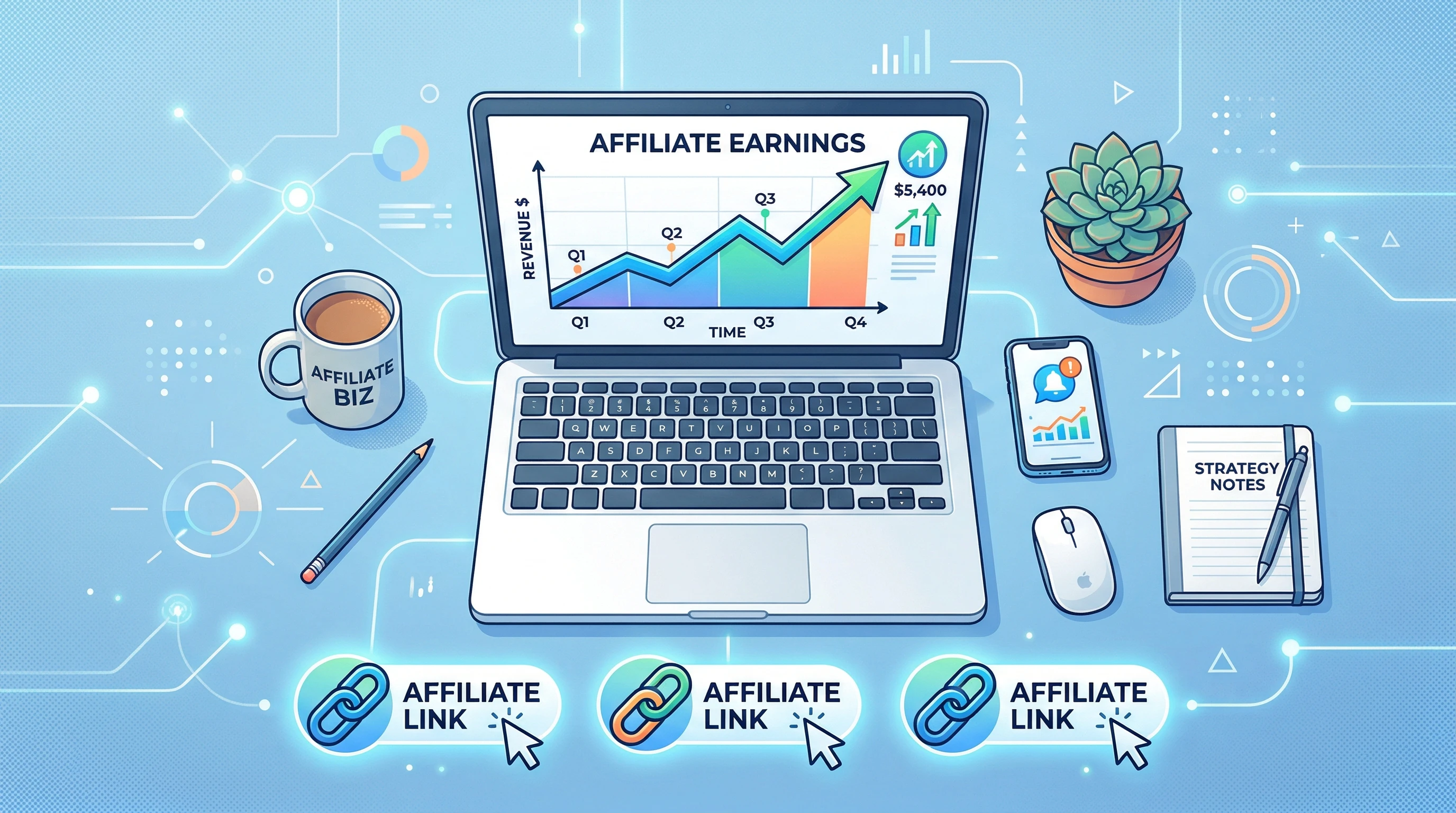
Affiliate marketing is pretty straightforward. You promote someone else’s product or service using a special link. If a person makes a purchase through your link, you get paid a commission. Companies pay you because you help bring them new customers.
- You sign up for a program (for example: Amazon Associates).
- You get a unique tracking link for a product, like a laptop or a kitchen gadget.
- You share this link on your blog, social media, YouTube channel, or email.
- Someone clicks the link and buys the product.
- You earn a percentage of that sale, sometimes right away, sometimes monthly (for services).
Affiliate marketing is pretty handy because you don’t need to handle inventory, shipping, or customer support. Your job is to connect the right people with the right offer. Instead of worrying about getting bogged down in the details, focus on matching helpful solutions to people searching for them.
Picking a Niche That’s Actually Manageable
Choosing your niche is super important. A niche is basically a topic or industry you’ll focus on. My advice: Pick a niche that you either already enjoy, or at least want to learn about, and that people actually spend money in.
- Personal finance (like budgeting tips or investing apps)
- Health and wellness (fitness routines, healthy recipes, supplements)
- Tech gadgets (smarthome devices, gaming gear, laptops)
- Online learning or career development (online courses, resume builders)
- Travel (suitcases, flight booking sites, hotel platforms)
Take your time researching, but don’t overthink it. The sweet spot is when the niche has a simple audience, enough products or services to promote, and not too much competition. If you target beginners within a niche, things get a bit easier because this group is always looking for trustworthy advice and guides. Remember, you don’t have to be an expert to start, but being genuinely interested in the topic helps you stay motivated as you grow.
Joining Affiliate Programs That Welcome Newbies
Not all affiliate programs make it easy for beginners, but quite a few welcome total newcomers. Signing up usually takes a few minutes and just asks for basic details about how you plan to promote their offers.
- Amazon Associates: Massive product selection, easy approvals, and super flexible for blogs, YouTube, or even social media (as long as you follow their rules).
- ClickBank: Focuses mostly on digital products and often has generous commissions, even 50% or more per sale.
- ShareASale: Great variety, including fashion, business tools, and software. Decent reporting tools for tracking your progress.
- Impact Radius and PartnerStack: Big networks that let you try out multiple programs without having to manage dozens of accounts.
- Specialized programs: For example, booking.com for travel or Coursera for online education.
I usually tell beginners to stick with one or two programs to start. Focusing your attention helps you learn the ropes faster and see what’s working. Over time, you can add more networks and branch out as your skills improve.
Setting Up Your Platform
You need a home base to put your affiliate links. There are three main choices: a website (blog), a YouTube channel, or a social account (like Instagram or TikTok). Each has its own pros and cons. Personally, I recommend starting with a simple blog or website, because:
- You’re in control—there won’t be any sudden platform changes or bans out of nowhere.
- You can rank on Google, bringing in free traffic over time.
- It’s easier to build an audience and email list from your own site.
You don’t need fancy tech skills. Platforms like WordPress, Wix, or Squarespace have stepbystep setups. Even onepage sites work if you’re focused on reviews or guides.
If video or social is more your style, YouTube tutorials and Instagram Reels also work well for affiliate offers in 2026. The key is to pick a format that won’t drive you nuts and is easy to stick with long term. Think about what you enjoy more: writing, filming, designing, or talking. Matching your strengths with your platform will make the whole process smoother.
Creating Content That Gets Clicks and Builds Trust
Effective content solves a problem, answers a question, or helps your reader in some way. This could be a product review, a tutorial, a bestof list, or even a practical how-to guide for something in your niche.
- “Best [product/solution] for [target audience]” articles (like “Best Budget Fitness Watches for Beginners”)
- Stepbystep tutorials using the product or service you recommend
- Honest, balanced reviews with pros and cons
- Comparison guides (like “Brand A vs Brand B”)
The big tip here is to keep it real. Only recommend stuff you’d use yourself or that you’d tell your friends about. Drop your affiliate links naturally, never force them. Readers can spot hype from a mile away, and helping them first creates longterm income (and repeat visitors). Focus on providing value, and your readers will be more likely to click your links and trust your recommendations.
Getting Traffic as a Beginner (Without Paid Ads)
Traffic just means visitors to your website, video, or social page. You can have the best content out there, but if nobody sees it, you won’t see any commissions.
If you want traffic in 2026, these beginnerfriendly tactics are working well:
- Pinterest: Surprisingly, Pinterest drives tons of traffic to affiliate blog posts and reviews, especially in lifestyle, food, travel, and DIY niches.
- SEO for beginners: Using simple keywords, like “budgetfriendly protein powders” or “affiliate marketing tips for 2026 beginners,” helps your content show up on Google.
- Facebook/Reddit groups: Sharing helpful posts in tightknit communities, but never spamming. Offer real advice with your link as an extra resource.
- YouTube search and Shorts: Answering popular questions or showing quick solutions helps get discovered organically.
The most important thing is to pick one or two methods and use them consistently. Regular posting beats trying a hundred different things at once. Don’t get discouraged by slow starts. Building traffic takes time, but steady effort pays off in the long run.
Troubleshooting and Improving Your Results
The cool thing about affiliate marketing is that almost everything is trackable. You can see which posts, videos, or links are getting clicks, who’s buying, and what’s not working.
- Check your analytics every week. Most affiliate dashboards show where clicks are coming from.
- Update your content if something changes, like broken links, outofdate prices, or new competitor products.
- Try different headlines, images, or calls to action if some posts aren’t getting much attention.
- Keep backups of content and experiment with new content formats (short videos, infographics, guides) to boost engagement.
Small improvements add up quick. Just tweaking a headline or adding a comparison table has helped me double conversion rates on older articles. Being flexible and willing to test new strategies will help you step up your affiliate marketing game faster.
Common Roadblocks (And Simple Fixes)
Here are a few hiccups I ran into (and hear about from readers) when starting out:
- No sales yet: Double check your links, make sure your content is hitting the right questions, and give it a little time. Most beginners take a few weeks or more to see that first commission.
- Overwhelmed by niche choice: Pick something and start. You can always refine later. Progress beats planning in circles.
- Struggling with tech: YouTube or affiliate support forums are gold for troubleshooting simple website or platform issues. There’s usually a stepbystep video for everything these days.
- Low traffic: Focus on one or two traffic sources and go deeper, rather than just posting once and quitting. Consistency pays off more than you might expect.
Every affiliate marketer feels stuck sometimes. The real trick is to keep going and learn as you try things out. You’re not alone, and every challenge is an opportunity to improve your process.
Frequently Asked Questions
Question: Do I need to spend money to start?
Answer: Not really. Many sites, social accounts, and even some simple blogs can be started for free or for the price of a coffee per month. The main investment is your time in creating useful content.
Question: How fast does it take to make money?
Answer: Some beginners see sales in their first month, while others may need several months before seeing commissions. Consistency and choosing a helpful niche matter most.
Question: Can I do affiliate marketing from anywhere?
Answer: Yes. As long as the affiliate programs you use accept members from your country, you just need an internet connection.
Ready to Make Your First Commission?
Starting affiliate marketing without experience is completely doable, even in 2026. Set up your platform, focus on helping real people, pick trustworthy offers, and stay consistent. A steady approach leads to real results over time, and there’s always something new to learn or try. If you hit bumps early on, remember that every successful affiliate marketer started at zero—it’s all part of the adventure.
Want step-by-step details? Check out more beginner guides on affiliate marketing right here and start building your passive income project today. You could soon stumble upon your first commission and even help others on a similar path!